
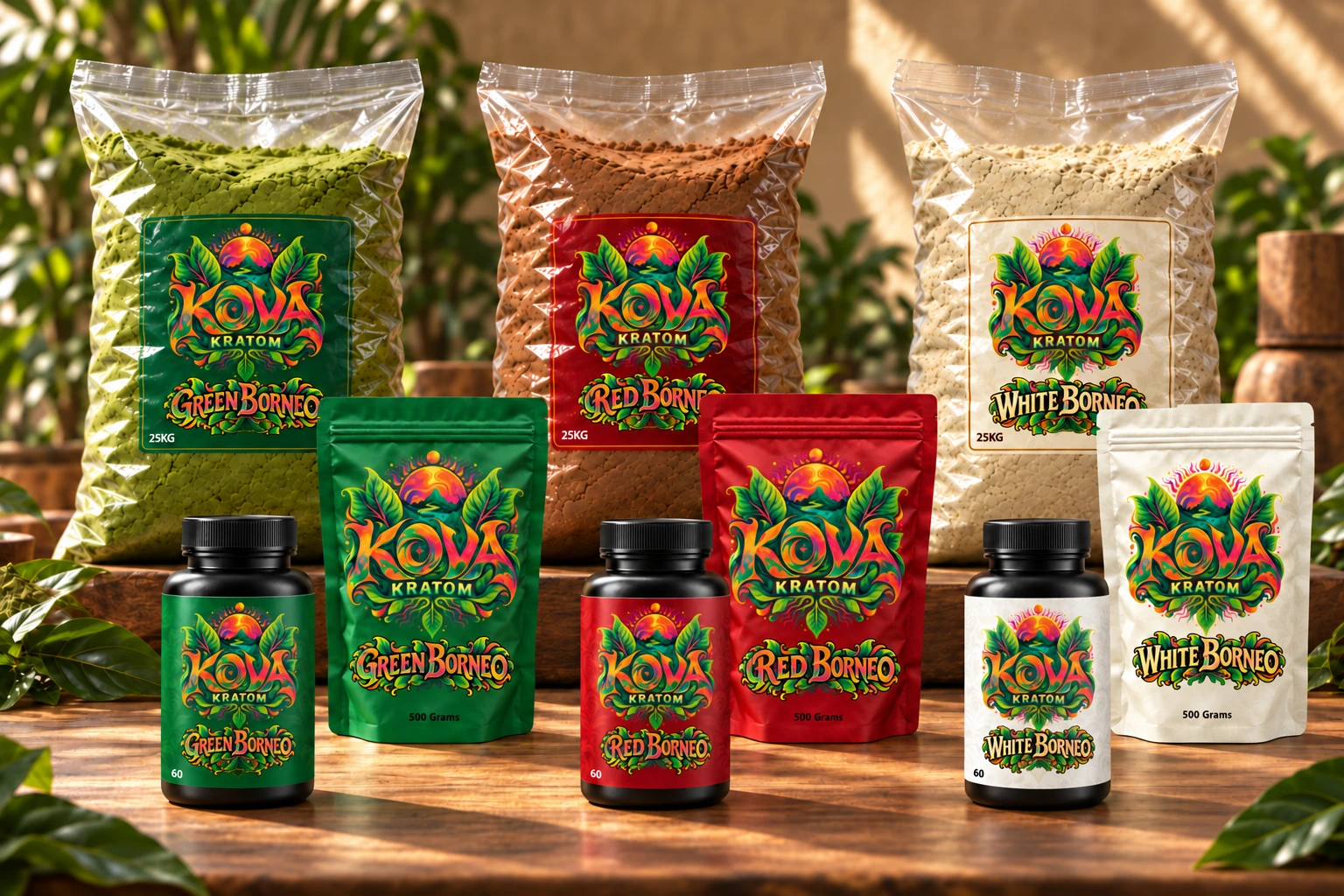
A competitive price gets attention. A dependable supply relationship is what deserves a closer look.
When a business evaluates a new supplier, the first question is often simple: How much does it cost?
It is a reasonable place to start. But experienced buyers know that the purchase price tells only part of the story.
Product specifications, packaging consistency, order requirements, documentation, shipping arrangements, and communication can all influence the real value of a wholesale relationship.
For retailers, distributors, and private-label businesses, choosing a supplier is not merely a purchasing decision. It is a decision that can affect inventory planning, customer expectations, and the way the business operates.
Here is what deserves attention before placing a wholesale order.
1. Understand Exactly What You Are Buying
Two products described in similar terms are not necessarily identical in their specifications.
Before requesting a quotation, establish the details that matter to your business. These may include the product variety, physical form, packaging format, net weight, batch identification, and any available quality documentation.
A supplier should be able to explain which specifications are confirmed and which details require further verification.
Avoid making a decision based on product names or descriptions alone. Ask for information that allows you to compare like with like.
The more clearly a product is defined before an order is placed, the fewer opportunities there are for misunderstandings later.
2. Compare the Total Cost, Not Just the Unit Price
A low quoted price can look attractive until the other costs enter the calculation.
Depending on the transaction, the total landed cost may include:
- Product and packaging costs
- Labeling or customization fees
- Minimum order requirements
- Freight and insurance, where applicable
- Customs duties, taxes, and brokerage charges
- Testing, documentation, or other compliance-related expenses
Not every order involves every item on this list. The important point is to identify which costs apply to your particular shipment.
For a meaningful comparison, calculate the expected total cost of receiving the goods and divide it by the quantity of saleable product received.
This gives you a more useful starting point for evaluating margins than the supplier's headline price alone.
It also helps you compare different packaging formats fairly. A finished retail pouch and an unbranded bulk order may serve different business purposes, even when their contents are similar.
3. Choose an Order Format That Fits Your Business
Wholesale buyers do not all operate in the same way.
A retailer developing a branded product line may prefer finished packaging that is ready for its intended market. A distributor may prioritize larger-volume formats, while another business may need to discuss private-label specifications.
Each option comes with different considerations.
Finished retail packaging can simplify certain parts of product presentation, but buyers should verify the labeling requirements and suitability of the packaging for their destination market.
Bulk formats may offer greater flexibility for businesses with established packaging, processing, or distribution arrangements. However, the buyer must account for any additional handling, packaging, and compliance requirements.
Private-label arrangements require particular clarity around artwork, label approval, product specifications, production quantities, and responsibility for regulatory compliance.
The right choice depends on the buyer's business model, order volume, operational capabilities, and intended market.
A sensible supplier conversation begins with those requirements rather than an assumption that one format is right for everyone.
4. Ask What Quality Documentation Is Available
Quality claims are easy to write. Supporting documentation is more useful.
Depending on the product and the applicable requirements, buyers may wish to ask about batch traceability, product specifications, laboratory testing, contaminant screening, and the availability of relevant certificates or reports.
Ask who conducted the testing, which batch was tested, what parameters were assessed, and when the report was issued.
A document should correspond to the product being purchased. A general statement about quality is not a substitute for evidence that can be reviewed.
Buyers should also distinguish between documentation that a supplier already holds and documentation that may be available only upon request.
Clear answers at this stage help both parties establish realistic expectations before commercial commitments are made.
5. Treat Export Compliance as Part of the Purchase
A product that can be sourced does not automatically qualify for import into every destination.
Requirements can vary by country and may depend on the product's classification, intended use, ingredients, labeling, import rules, and other applicable restrictions.
Before placing an order, buyers should independently verify the current requirements in the destination market and confirm which responsibilities belong to the supplier, importer, customs broker, or other parties.
Do not assume that a shipment is lawful simply because another business has imported a similar product.
Written confirmation of the proposed product description, documentation, shipping arrangement, and allocation of responsibilities can help prevent costly misunderstandings.
Compliance should be addressed before payment and dispatch, not after a shipment encounters a problem.
6. Evaluate Communication Before You Evaluate the Promise
The way a supplier handles an initial inquiry can reveal useful information about how a commercial relationship may develop.
Does the supplier answer specific questions? Are quotations clear about what is included? Are minimum order quantities explained? Can the supplier distinguish confirmed information from details that still need verification?
These are practical indicators worth considering.
No supplier can guarantee that every transaction will proceed without complications. What matters is whether both parties communicate clearly, establish reasonable expectations, and address issues responsibly.
A professional relationship should not depend on vague assurances or pressure to make a quick decision.
It should give the buyer enough information to make an informed one.
7. Start With an Order You Can Evaluate Properly
The largest available order is not necessarily the best first order.
Where legally permitted and commercially practical, a buyer may prefer to begin with a manageable quantity that allows the relevant product specifications, packaging, documentation, delivery arrangements, and communication process to be evaluated.
Before proceeding, establish the applicable minimum order quantity, payment terms, production or preparation lead time, shipping responsibilities, and process for handling discrepancies.
The purpose is not simply to obtain a sample or complete a transaction. It is to determine whether the supplier's actual performance meets the business's requirements.
A repeat order should be based on what the buyer has verified, not merely what was promised.
A Better Basis for Wholesale Decisions
Choosing a wholesale supplier requires more than finding the lowest number on a quotation.
It requires a clear understanding of the product, a realistic view of total costs, appropriate documentation, a verified compliance pathway, and communication that supports sound business decisions.
These considerations are relevant whether you are developing a retail product line, sourcing bulk materials, or evaluating a potential long-term supply relationship.
At Kova Kratom, we believe commercial discussions should begin with clear requirements and straightforward communication. We welcome inquiries from qualified businesses interested in discussing available product formats, packaging options, order quantities, and applicable documentation.
Specific availability, terms, and shipping arrangements should be confirmed for each inquiry and destination market.
The best wholesale decision is not necessarily the cheapest purchase. It is the one you can justify with clear information.
Discuss Your Wholesale Requirements With Kova
If you are a retailer, distributor, or prospective business partner, contact Kova to discuss your requirements and determine whether a suitable commercial arrangement is possible.
Share your intended market, preferred product format, estimated order quantity, and packaging requirements so the conversation can begin with the details that matter.